
Kevin's Blog
This is my personal blog. I regularly write about church leadership and infrastructure development, including specifics on
leadership techniques and the details of implementing systems, processes, and methods that enable the church to succeed.
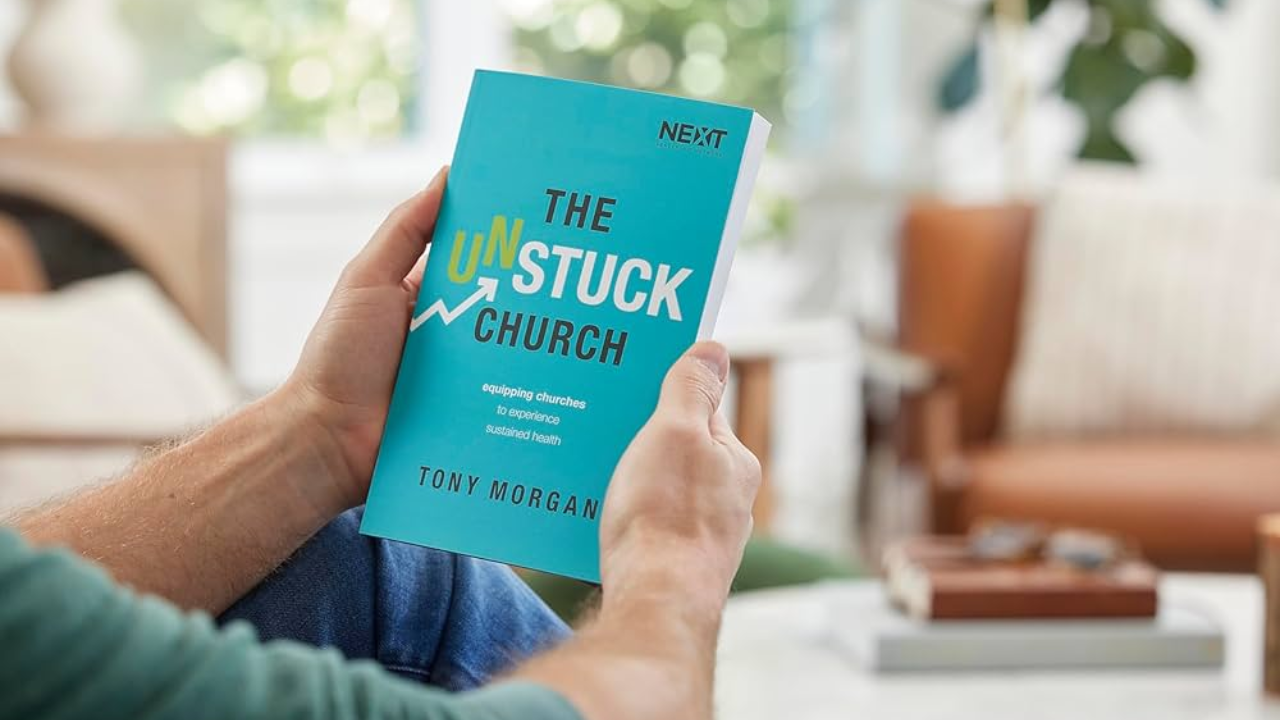
The Unstuck Church
Helping Churches Move Forward with Clarity and Intentionality
Every executive pastor has felt it.
Attendance has plateaued. Volunteer energy feels thin. Staff are busy, but progress is hard to measure. Meetings happen. Ministry continues. Yet something underneath feels stalled.
In The Unstuck Church, Tony Morgan names that reality honestly and helpfully. The book isn’t about hype, shortcuts, or quick fixes. Instead, it’s about recognizing when a church has drifted into unhealthy patterns — and then doing the deliberate, sometimes uncomfortable work required to move forward.
For executive pastors, The Unstuck Church reads less like a theory book and more like a diagnostic manual.
The Core Premise: Churches Drift Before They Stall
One of the most helpful contributions of The Unstuck Church is its clarity around how churches get stuck. Rarely is it because leaders stopped caring or people stopped working hard. More often, it’s because growth outpaced infrastructure, systems never evolved, or leadership avoided necessary change for too long.
Morgan argues that churches don’t wake up one day and decide to be stuck. They drift there gradually:
Vision becomes assumed instead of articulated
Systems remain static while complexity increases
Decision-making slows as consensus replaces clarity
Leaders confuse activity with effectiveness
For an executive pastor, this framing matters. It removes blame and replaces it with responsibility. Being stuck isn’t a moral failure. It’s a leadership challenge.
The Executive Pastor’s Unique Role in Getting Unstuck
The Unstuck Church was written primarily for senior leaders, and it has direct implications for executive pastors — even if they aren’t always named explicitly.
Executive pastors often feel the symptoms of being stuck first:
Inefficient systems
Overloaded staff
Unclear priorities
Ministries competing for limited resources
Morgan’s work reinforces a key truth executive pastors already know: movement requires structure. Vision alone won’t carry a church forward if the organization can’t support it.
This places the executive pastor squarely in the role of:
Translating vision into executable strategy
Designing systems that scale with growth
Helping leaders distinguish between what’s familiar and what’s faithful
The Unstuck Church gives language and permission for those conversations.
Key Areas Where Churches Commonly Get Stuck
Throughout the book, Morgan identifies predictable pressure points that cause churches to stall. Several are especially relevant to executive pastors:
1. Strategy without alignment
Churches often have a vision, but not a clear strategy for achieving it. Ministries operate independently, staff pursue good ideas, and alignment becomes assumed instead of enforced.
Executive pastors are uniquely positioned to bring clarity by asking:
What are we actually trying to accomplish this year?
What are we saying “no” to?
How does each ministry support our stated priorities?
2. Structure that no longer fits
What worked at 150 people doesn’t work at 500. What worked at one service doesn’t work at three. Morgan highlights how outdated structures quietly limit progress.
This is where executive pastors earn their keep — redesigning roles, workflows, and decision rights so the organization matches its current reality, not its nostalgic memory.
3. Leadership bottlenecks
As churches grow, senior leaders often become unintentional bottlenecks. Decisions slow. Authority blurs. Staff wait instead of lead.
The Unstuck Church reinforces the importance of delegation, clarity, and trust — areas where executive pastors often serve as both coach and corrective.
Change Is the Price of Momentum
One of the more challenging aspects of The Unstuck Church is its honesty about change. Morgan doesn’t sugarcoat it: getting unstuck will disappoint some people.
That’s not a failure. It’s a consequence.
Executive pastors, often tasked with implementing change, need this reminder. Change management in churches isn’t just about systems. It’s about shepherding people through loss, uncertainty, and new expectations — while still moving forward.
Morgan’s approach encourages leaders to:
Communicate early and often
Explain the “why” behind changes
Stay consistent when resistance appears
Stability doesn’t come from avoiding change. It comes from leading it well.
Why The Unstuck Church Matters for Executive Pastors
At its core, The Unstuck Church validates the executive pastor’s instinct that clarity, structure, and intentionality are spiritual work. Fixing systems isn’t a distraction from ministry. It enables it.
For executive pastors, this book:
Provides language for diagnosing organizational stagnation
Reinforces the importance of alignment and infrastructure
Supports the hard but necessary work of leading change
Encourages proactive leadership rather than reactive maintenance
Most importantly, it reframes being “stuck” not as a verdict, but as an invitation — an opportunity to lead with courage, wisdom, and discipline.
Final Thought
Churches don’t get unstuck by accident. They get unstuck when leaders choose clarity over comfort, structure over nostalgia, and intentionality over inertia.
For executive pastors tasked with turning vision into reality, The Unstuck Church is both affirmation and challenge — a reminder that movement always begins with leadership willing to name what’s real and act accordingly.


Kevin Stone
Founder of Executive Pastor Online, passionate about the church and what Jesus calls us to do through it.


© 2026 Executive Pastor Online. All Rights Reserved.


